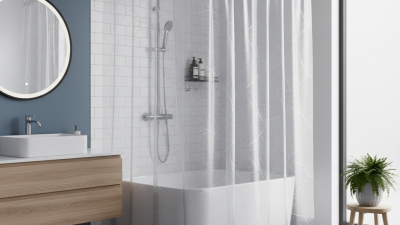
10 Best Fabric Shower Curtains for Hotels and Homes
Choosing the right Fabric Shower Curtain affects hygiene, privacy, comfort, and daily maintenance. In hotels, it also shapes a guest’s first impression of the bathroom. A damp, heavy curtain can create odors, cling to skin, and dry slowly. Small details matter.
Market reports from Grand View Research and Fortune Business Insights show steady demand for bathroom textiles, supported by hospitality renovation and home improvement spending. Their findings also highlight growing interest in washable, durable, and lower-impact materials. These reports do not make every product look equally reliable. They remind buyers to examine fabric weight, water resistance, stitching, and care requirements.
Textile scientist Dr. Seshadri Ramkumar has said, “Textiles are everywhere, and they touch everyone.” That observation fits shower curtains closely. They touch moisture, cleaning chemicals, floors, and human hands every day. Performance is not optional.
This guide reviews ten Fabric Shower Curtain choices for hotels and homes. It considers cotton blends, polyester, recycled fibers, waterproof coatings, reinforced eyelets, and machine-washable designs. Some curtains feel luxurious but demand careful drying. Others appear plain yet survive busy bathrooms better. There is no perfect material.
Even expert testing has limits. Water hardness, ventilation, detergent, and laundering habits change results. A curtain that performs well in a boutique hotel may disappoint in a crowded family bathroom. The practical choice may be less glamorous. It should dry quickly, hang evenly, and remain fresh after repeated washing. Reliability comes first.
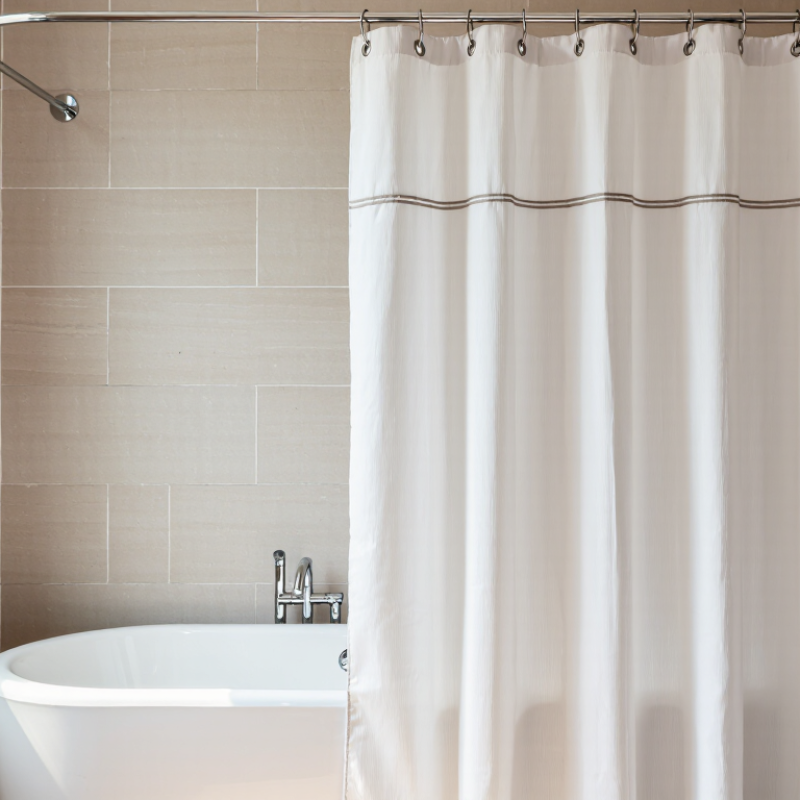
What Defines a Fabric Shower Curtain and Where Is It Used?
A fabric shower curtain is a textile panel designed to control water around a shower or bathtub. Common materials include woven polyester, cotton blends, and linen-like fabrics. Some receive a water-repellent treatment, but fabric is not automatically waterproof. It usually needs a separate liner to protect the bathroom floor and wall from splashing.
In hotels, fabric curtains create a softer, more residential appearance than plastic panels. They also suit frequent cleaning when the material can tolerate commercial laundering and high-temperature drying. Strong stitching, rust-resistant grommets, and a weighted bottom hem matter in busy bathrooms. Measure carefully. A curtain that is too narrow leaves gaps, while excess width can bunch and dry slowly.
At home, fabric curtains work well in guest bathrooms, family bathrooms, and compact apartments. They can add texture without replacing tile, lighting, or storage. I once assumed heavier fabric always performed better. It did not. A dense curtain may dry slowly and develop a musty smell in a poorly ventilated room. A lighter polyester curtain can be more practical, especially beside an exhaust fan. Check the care label, wash regularly, and inspect the lower hem for discoloration. Small details often reveal whether the curtain is truly suitable for daily use.
10 Best Fabric Shower Curtains for Hotels and Homes - What Defines a Fabric Shower Curtain and Where Is It Used?
A fabric shower curtain is a washable or replaceable curtain made from woven or knitted textile materials such as polyester, cotton, linen, microfiber, hemp, or blended fibers. It is used in residential bathrooms, hotel guest rooms, dormitories, rental properties, and accessible bathrooms to control water spray and add privacy or decorative appeal. A separate waterproof liner is often recommended for absorbent fabrics.
Dimensions shown are common finished curtain sizes; actual measurements may vary by manufacturer and installation.
| Rank |
Fabric Shower Curtain Type |
Typical Material |
Common Size |
Water Performance |
Care Requirements |
Best Use |
Liner Recommended? |
| 1 |
Hotel-Weight Polyester |
Woven polyester, often with a water-repellent finish |
72 × 72 in |
Dries quickly and resists routine splashing |
Machine wash cold; tumble dry low or hang dry |
Busy hotel bathrooms and family homes |
Optional |
| 2 |
Waffle-Weave Polyester |
Textured polyester with a raised waffle pattern |
72 × 72 in |
Lightweight, fast-drying, and moderately water resistant |
Machine wash cold; avoid high heat |
Modern bathrooms and rental properties |
Optional |
| 3 |
Cotton Canvas |
Dense woven cotton canvas |
72 × 72 in |
Absorbent and durable but slower to dry |
Machine wash; remove promptly to reduce wrinkles |
Traditional bathrooms and high-use homes |
Yes |
| 4 |
Cotton-Linen Blend |
Blended cotton and linen fibers |
72 × 72 in |
Breathable and absorbent; not fully waterproof |
Gentle machine wash; air drying helps limit shrinkage |
Decorative bathrooms and low-splash showers |
Yes |
| 5 |
Microfiber Fabric |
Fine polyester or polyester-polyamide fibers |
72 × 72 in |
Soft, quick-drying, and resistant to light splashing |
Machine wash cold; do not use fabric softener |
Compact bathrooms and frequent laundering |
Optional |
| 6 |
Recycled Polyester |
Polyester made from recycled plastic fibers |
72 × 72 in |
Quick-drying and suitable for regular shower spray |
Machine wash cold; use low-temperature drying |
Homes and hospitality settings seeking lower material impact |
Optional |
| 7 |
Hemp Blend |
Hemp blended with cotton or polyester |
72 × 72 in |
Breathable and absorbent; dries more slowly than polyester |
Gentle wash; hang dry and avoid prolonged damp storage |
Well-ventilated homes and natural-textile interiors |
Yes |
| 8 |
Jacquard Polyester |
Patterned woven polyester fabric |
72 × 72 in |
Resists wrinkles and dries relatively quickly |
Cold wash; use a low-heat setting if tumble drying |
Decorative hotel rooms and formal bathrooms |
Optional |
| 9 |
Extra-Long Polyester |
Lightweight woven polyester |
72 × 84 in |
Quick-drying coverage for taller shower areas |
Machine wash cold; hang dry when possible |
High ceilings, walk-in showers, and extended tubs |
Optional |
| 10 |
Extra-Wide Fabric Curtain |
Polyester, cotton, or a blended textile |
108 × 72 in |
Provides broader splash coverage; performance depends on fiber |
Follow the fiber-specific washing instructions |
Wide tubs, shared bathrooms, and accessibility-focused layouts |
Usually recommended |
Which Features Matter When Choosing a Shower Curtain?
A good fabric shower curtain should manage water, movement, cleaning, and daily wear. In hotel and home bathrooms, fabric weight matters. A medium-weight polyester or tightly woven cotton curtain usually hangs better than a thin, floating panel. It should dry reasonably fast, but no fabric stays fresh in a sealed, damp bathroom.
Measure twice. The curtain should extend beyond the shower opening and reach near the floor without dragging. A weighted hem helps control splashing when air moves through the room. Reinforced header holes also matter, especially in hotels where curtains are opened and closed repeatedly. Metal or durable plastic grommets can reduce tearing, although poor stitching can still fail.
Washability is a practical feature, not a luxury. Look for clear care instructions and fabric that tolerates regular laundering. A removable liner can reduce moisture buildup and make cleaning easier. I once selected a beautiful curtain with weak top seams; it looked excellent for one month, then sagged unevenly. My first checklist was too narrow. Now I inspect seam density, hanging strength, drying time, and light exposure. A curtain that resists water may still absorb odors, so ventilation remains important. Smooth surfaces are easier to wipe, while textured fabrics may hide stains but require closer inspection. For shared bathrooms, neutral colors and opacity offer privacy without making the room feel dark.
10 Best Fabric Shower Curtains for Hotels and Homes: Which Features Matter?
How to read this chart: These editorial priority ratings use a 1–5 scale, not survey results. Start with fit, water resistance, and easy washing; then consider mildew resistance, fabric weight, and compatibility with a separate liner. Care needs and bathroom conditions can affect which features matter most.
How Do Fabric Types and Curtain Designs Compare?
Polyester is a practical hotel choice: it dries quickly, resists wrinkles, and usually needs less ironing than cotton. Textile Exchange’s Materials Market Report 2024 estimates that polyester made up 57% of global fiber production in 2023. That figure shows its scale, not that every polyester curtain lasts longer or has a smaller footprint. Cotton feels softer and hangs with more weight, but it can stay damp in a poorly ventilated bathroom. Linen blends add a relaxed, textured look; they may wrinkle more. Feel matters. Before choosing, check the care label and whether the fabric needs a separate waterproof liner.
Design changes how a curtain works, not just how it looks. A waffle weave gives a hotel-style texture and lets light through, while a tighter weave offers more privacy. A weighted hem can reduce billowing when someone showers; sturdy grommets or sewn buttonholes make frequent changes easier. In a home, a patterned panel can soften tile and paint, but busy prints may feel crowded in a small space. For hotels, plain panels are easier to match across rooms, though they can show stains quickly. One detail is easy to overlook: measure the rod and tub before ordering. Even a well-made curtain can drag on the floor or leave a gap at the edge.
What Are 10 Top Fabric Shower Curtains for Hotels and Homes?
For hotels and homes, the best fabric shower curtains balance privacy, easy care, and a neat drape. Tightly woven polyester resists daily splashes and dries quickly. Cotton-poly blends feel softer while staying more manageable than pure cotton. Cotton offers a natural hand, but it may need more frequent washing. Waffle-weave fabric adds a spa-like texture. Linen-look polyester gives a relaxed appearance without linen’s heavier upkeep. Check the hem.
Microfiber is lightweight and often dries fast, making it useful in busy bathrooms. Recycled polyester can be a practical choice for shoppers seeking reused fibers; check the product label for details. Dobby-weave fabric adds subtle raised patterns without a loud print. Fine hotel-style stripes look crisp against plain tile. A softly textured polyester curtain suits shared bathrooms where simple styling matters. These are ten useful fabric options, though quality varies by weave and construction.
Before buying, measure the rod and allow enough width for gentle folds. A curtain that barely spans the tub can leave awkward gaps. Look for reinforced buttonholes, sturdy stitching, and clear washing instructions. In damp rooms, pair cotton or heavier fabric with a washable liner, and spread the curtain open after showers. Small details matter. A beautiful texture is less appealing if it stays clammy, and even a good curtain may need replacing when seams weaken.
How Should Fabric Shower Curtains Be Installed and Maintained?
Fabric shower curtains can soften a hotel bathroom or make a home bathroom feel warmer. Installation affects their service life more than many people expect. Measure the rod, then choose a curtain slightly wider than the opening. Extra width creates natural folds and reduces water escaping through gaps.
Hang the curtain with rust-resistant hooks and keep the lower edge about one centimeter above the floor. It should overlap the bathtub or shower tray evenly. Use a waterproof liner behind the fabric curtain, especially in busy hotel bathrooms. The liner catches direct spray while the outer curtain provides appearance and privacy. A reinforced header helps prevent tearing when guests pull the curtain quickly. It happens.
During routine bathroom inspections, check the top seams, hook holes, and lower hem. Small frays can become large openings after repeated washing. Leave enough space between the curtain and the wall for airflow. After each shower, spread the fabric instead of leaving it bunched together. Ventilation matters. Wash the curtain according to its care label, using a gentle cycle and mild detergent. Avoid excessive heat, which may shrink cotton or weaken blended fibers. Dry it completely before rehanging, because damp folds can develop musty odors and mildew. Even careful maintenance can miss hidden moisture near the hem. Inspect that area closely each week in heavily used bathrooms.