What is the Best Lace Tablecloths for Global Buyers?
Lace tablecloths have become a staple in home decor and event styling. Their elegance adds a touch of sophistication to any setting. According to a report by Grand View Research, the global table linen market was valued at approximately $5 billion in 2020, with a significant rise projected due to increased consumer interest in unique home aesthetics. This emphasizes the rising demand for high-quality lace tablecloths worldwide.
Recent trends indicate that buyers are seeking not just beauty but also durability. Lace tablecloths offer a delicate appearance while requiring proper care to maintain their charm. However, many consumers lack understanding about the materials and craftsmanship behind them. This can lead to poor purchasing choices. Thus, identifying reputable sources for high-quality lace tablecloths is essential.
In today's market, buyers should also be wary of counterfeit products disguised as authentic lace. With the growing trend towards sustainable living, lace tablecloth options made from eco-friendly materials are increasingly appealing to conscientious consumers. The goal remains to provide effective insights on sourcing the best lace tablecloths that marry elegance with quality craftsmanship and conscious consumerism.
Best Lace Tablecloths: An Overview of Global Preferences
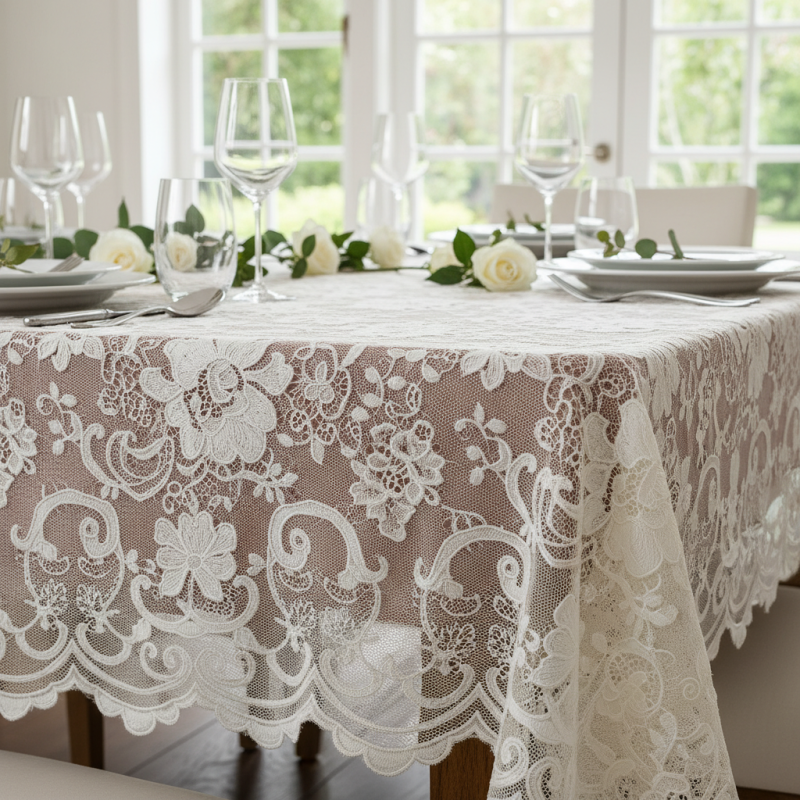
Lace tablecloths have gained immense popularity across the globe.
They appeal to various cultures, each with unique preferences. In Europe, delicate lace designs
often symbolize elegance, making them a go-to choice for formal gatherings. Many buyers appreciate intricate patterns
that enhance the visual appeal of their dining experiences.
In contrast, buyers from Asia may prefer minimalistic styles.
Simple designs with subtle lace work complement their dining aesthetics. This simplicity can evoke a sense of tranquility
while preserving the beauty of the table setting. Regions like North America often lean
towards versatile lace patterns, suitable for both casual and formal occasions. The adaptability of these tablecloths
adds to their allure.
While lace tablecloths are favored worldwide, challenges exist. Not all lace designs are easy to maintain. Stains can
be difficult to remove, especially on lighter-colored fabrics. This can lead individuals to reconsider their purchases.
High-quality materials are essential, but they often come with a higher
price tag. Buyers must weigh the pros and cons diligently.
Factors to Consider When Choosing Lace Tablecloths
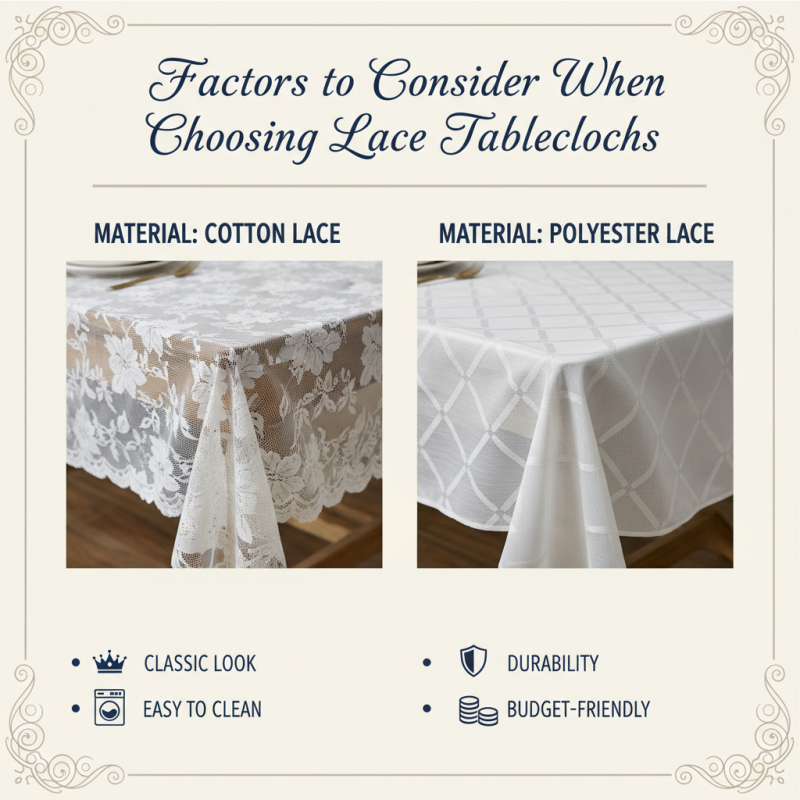
Choosing the right lace tablecloth involves multiple factors. The first aspect to consider is the material. Different fabrics can dramatically alter the tablecloth's appearance and feel. Cotton lace offers a classic look and is easy to clean. Polyester lace, on the other hand, provides durability and a more budget-friendly option.
The size of your table is another crucial consideration. Measure your table carefully to ensure a proper fit. A tablecloth that is too small may look awkward. If it’s too large, it can create unnecessary bulk. Color is just as important. Neutral tones can blend seamlessly with any décor. Bright colors or elaborate patterns can add a focal point to your setting.
Lastly, think about how you plan to use the tablecloth. Will it be for everyday use or special occasions? This can influence your choice of fabric and design. Although lace adds elegance, some may find it challenging to maintain. It’s essential to weigh the aesthetics against practicality. Finding the right balance will enhance your dining experience.
Popular Materials and Designs for Lace Tablecloths
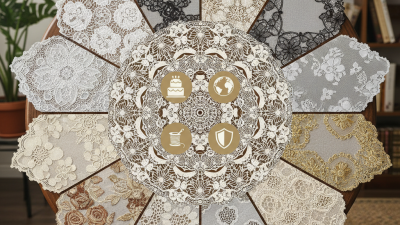
Lace tablecloths come in various materials and designs, appealing to a global audience. Cotton lace is a popular choice among buyers. It offers durability and a soft texture. The intricate patterns add a touch of elegance to any setting. However, its weight can make it less suitable for outdoor occasions.
Polyester lace is another common option. It is lightweight, making it ideal for casual gatherings. Various designs, from floral to geometric patterns, provide versatility. Yet, polyester may not have the same breathability as cotton. This can affect its performance in warmer climates.
Finally, consider the blend of lace materials. A mix of cotton and polyester balances beauty and functionality. It can cater to different preferences, though sometimes the quality may vary. Buyers should assess the craftsmanship and artistic approach in every piece. Evaluating these aspects can lead to satisfying purchases.
What is the Best Lace Tablecloths for Global Buyers? - Popular Materials and Designs for Lace Tablecloths
| Material |
Design Style |
Country of Popularity |
Best Uses |
| Polyester Lace |
Classic Floral |
USA |
Weddings, Banquets |
| Cotton Lace |
Vintage |
France |
Cafés, Restaurants |
| Acrylic Lace |
Modern Geometric |
Germany |
Home Décor, Events |
| Nylon Lace |
Bohemian |
Italy |
Picnics, Outdoor Events |
| Silk Lace |
Elegant |
Japan |
Formal Gatherings |
Top Brands and Retailers for Lace Tablecloths Worldwide
When it comes to finding quality lace tablecloths, global buyers have diverse preferences. Different regions might favor distinct styles and materials. In Europe, for instance, intricate lace designs are highly sought after for their classic appeal. Meanwhile, Asian markets may lean towards simpler, more modern interpretations. The variety reflects cultural significance and aesthetic choices. Understanding these nuances can lead to better purchasing decisions.
Renowned retailers offer a wide selection of lace tablecloths to accommodate different tastes. Many of them curate collections that celebrate local craftsmanship. Quality varies significantly, so buyers should take time to assess materials and stitching. Pay attention to product reviews and customer feedback, as they provide valuable insights. Seek retailers who prioritize transparency and include care instructions. This can enhance the longevity of the lace items you choose.
Ultimately, the choice of lace tablecloths can feel overwhelming. Some buyers may struggle with balancing budget and quality. It's essential to reflect on what works best for your space and purpose. Investing in a slightly more expensive tablecloth might provide better durability and design. Exploring options across regions can lead to delightful discoveries and elegant additions to your home.
Popularity of Lace Tablecloth Types Worldwide
Caring for and Maintaining Your Lace Tablecloths
Caring for lace tablecloths requires attention and dedication. The delicate fabric can easily snag or tear. Regular inspections can help you identify issues early. Store your tablecloths in a cool, dry place. Avoid damp areas that can promote mold growth. A breathable cotton bag is an excellent choice for storage, preventing dust accumulation.
Cleaning lace requires gentle handling. Hand wash your tablecloth with mild detergent and cold water. A soft sponge can remove stains without damaging fibers. Rinse thoroughly to avoid soap residue. If machine washing is necessary, use a delicate cycle. Always place the tablecloth in a mesh bag for added protection.
Ironing lace is tricky. Use a low heat setting and a pressing cloth to avoid burns. It’s better to steam than to press directly. Remember, the goal is to keep the elegance intact. Even with care, minor imperfections can occur. Embrace these as signs of character and history. Care for your lace with love, and it will serve you well for years.