Leave Your Message

10 Best Wipeable Tablecloths for Easy Cleaning?

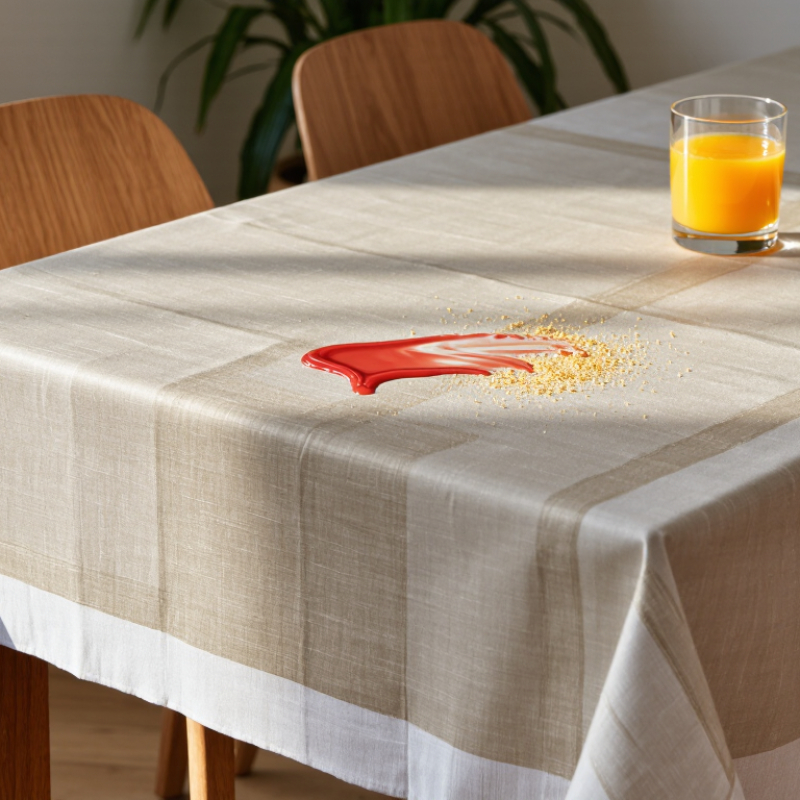
A good Wipeable Tablecloth earns its place in everyday life: it protects the table, handles spills, and cleans without turning dinner into a chore. Picture tomato sauce near the edge, juice beneath a child’s cup, or crumbs caught in a textured surface. The right choice should make these small messes easier to manage. It should also feel comfortable beneath your hands and suit the room when guests arrive.

The market context is broad, not product-specific. Grand View Research valued the global home textiles market at USD 124.8 billion in 2023 and projected growth through 2030. Its report covers many products, so it does not establish demand for wipeable tablecloths alone. That distinction matters. A large market figure cannot tell shoppers whether a particular coating resists stains, whether the backing grips the table, or whether the fabric can handle repeated wiping.

Design offers another useful lens. William Morris, the British designer and writer, said, “Have nothing in your houses that you do not know to be useful, or believe to be beautiful.” He was not a wipeable-tablecloth industry specialist, so this is a design principle, not product-performance advice. The selections ahead focus on practical details: material, fit, cleaning instructions, and everyday appearance. Some trade-offs are easy to miss. A glossy finish may wipe clean quickly but feel less like cloth; a softer surface may need more careful care. The best option depends on your table, routine, and tolerance for a little upkeep.
10 Best Wipeable Tablecloths for Easy Cleaning?

What Makes a Tablecloth Wipeable: Materials and Construction

A wipeable tablecloth is usually a fabric or flexible sheet with a surface that resists spills. The coating matters as much as the base material. Polyester with a clear finish can feel soft, while vinyl often has a smoother, more plastic-like surface. Polyurethane coatings may feel less stiff, though durability varies by thickness and care.

Look closely at the construction. A tightly bonded top layer is less likely to peel or bubble than a loose laminate. Finished edges help limit fraying, and a fabric backing can keep the cloth from sliding around. Seams deserve attention too. Liquid may seep through stitching, even when the main surface wipes clean. That detail is easy to miss.

Texture affects cleanup. A smooth finish usually releases dried sauce with a damp cloth; deep embossing can trap crumbs and oily residue. Not always. Test a small area before using a cleaner, and avoid rough pads that may scratch the coating. Heat can also soften or mark some surfaces, so hot pans need a trivet. Wipeable does not mean stain-proof, and repeated folding may eventually leave creases or cracks. Each material has trade-offs.
How to Compare Wipeable Tablecloths for Everyday Use

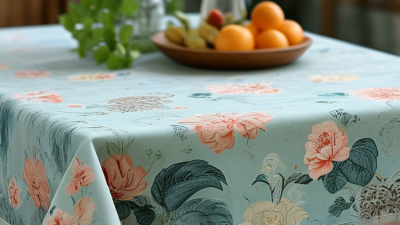
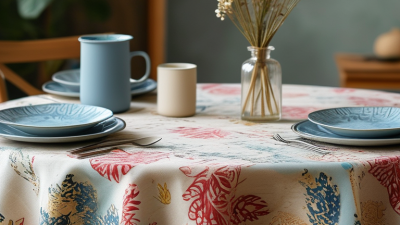
When comparing wipeable tablecloths for everyday use, look beyond the pattern. Check the surface material and care instructions: some coatings wipe clean with a damp cloth, while textured finishes may hold crumbs around seams. A smooth finish can be easier to maintain, but it may also feel slippery beneath plates. That matters.

Inspect the underside, too. A lightweight cloth may shift when children lean on the table, while a heavier one can hang more steadily. Measure the tabletop and allow enough fabric to drape without brushing chair seats. If the cloth will cover a round table, confirm its listed shape and dimensions rather than guessing from a product photo. Photos can mislead.

Think about the messes you actually make. For coffee, sauce, or marker stains, check whether the care label recommends wiping promptly and avoiding abrasive scrubbers. A small spill test on an inconspicuous corner can reveal whether water beads or spreads, though it cannot predict every stain. I would not assume “wipeable” means effortless: creases, stitching, and dried food still need attention. Feel the material in person if possible; a slightly softer finish may be nicer at dinner, even if it takes an extra pass to clean.

10 Best Wipeable Tablecloths for Easy Cleaning

Wipeable tablecloths make daily meals easier to manage, but their materials feel different in use. Vinyl-coated cloths usually shed spills with a quick wipe, while laminated fabric can look softer and less glossy. Check the product’s care instructions before buying; “wipeable” does not always mean machine washable. That matters.

Measure the tabletop and allow enough overhang to keep the cloth in place without dragging across chairs or laps. A smooth surface cleans quickly, though crumbs may collect along stitched edges. For busy family meals, a simple pattern can disguise small marks between cleanings. Not always. Pale colors show sauce and tea stains more clearly, while very dark finishes may reveal dust.

After a spill, blot or wipe it soon with a damp cloth and mild soap. Avoid abrasive pads unless the instructions specifically allow them, since they can dull the coating. Let the surface dry before folding or rolling it away.

Hot pans can damage some wipeable finishes, so use trivets rather than assuming the cloth is heatproof. A small corner test with your usual cleaner is sensible, especially when care guidance is vague. No tablecloth stays spotless forever, and choosing one means balancing easy cleanup with the texture and appearance you prefer.

How to Choose the Right Size, Shape, and Style

Choosing a wipeable tablecloth starts with careful measuring. Measure the tabletop’s length and width, then add your preferred overhang on each side. For a dining table, an overhang of about 8 to 12 inches often looks balanced, but chairs and room size matter. Measure twice. Round tables need a round cloth; square cloths can bunch at the edges. For oval tables, check the product’s listed dimensions rather than relying on the shape name alone.

Tips: Use a soft tape measure, and include leaves if your table expands. A quick paper mock-up can show whether the overhang will brush against seated guests. Small detail, big difference.

Think about daily use, too. Smooth, coated surfaces are easy to wipe, while textured finishes may hide crumbs but can take more effort to clean. Check care instructions before buying, since some cloths need gentle washing or cannot tolerate high heat.

Choose a color and pattern that suit the room and disguise everyday marks. Pale shades can brighten a small kitchen, though spills may show sooner. Dark prints can be forgiving, but busy designs may feel crowded on a small table. I’d avoid choosing by appearance alone; wipeable finishes can feel less soft than fabric, and that trade-off is easy to overlook.

How to Clean and Care for a Wipeable Tablecloth

A wipeable tablecloth needs prompt, gentle care—not harsh scrubbing. Blot spills with a soft, damp cloth, then use lukewarm water and a little mild dish soap. Work from the spill’s edge inward to avoid spreading sauce across the surface. Rinse the cloth often; otherwise, it can redeposit crumbs or grease. CDC estimates that foodborne illness causes 48 million illnesses and 128,000 hospitalizations in the United States each year. That figure is a reminder to clean promptly, not proof that wiping a tablecloth alone prevents illness. For raw-meat spills, follow the cloth maker’s care instructions and clean nearby food-contact surfaces separately, using appropriate food-safety guidance.

After washing, wipe away soap residue and let the cloth air-dry fully before folding or rolling it. Trapped moisture can leave odors, especially around hems and seams. Avoid abrasive pads, strong solvents, and bleach unless the care label specifically allows them; coatings can dull, crack, or peel. Check the label first. For dried stains, hold a soapy damp cloth against the spot briefly, then wipe gently rather than scraping. Small habit. Big difference. Heat from an iron or hot pan may damage some finishes, so keep hot cookware on a trivet. I might be tempted to scrub a stubborn mark harder, but that can shorten the coating’s life; a second gentle pass is often safer.

10 Best Wipeable Tablecloths for Easy Cleaning? - How to Clean and Care for a Wipeable Tablecloth

Option Material or Construction Best For Everyday Cleaning Care Notes
1. Vinyl Tablecloth Flexible PVC surface, sometimes backed with fabric or felt Busy kitchens, family meals, and frequent spills Wipe with a soft cloth, warm water, and mild dish soap; dry afterward Avoid abrasive scrubbers, harsh solvents, and prolonged high heat. Follow the care label.
2. PEVA Tablecloth Lightweight, non-chlorinated plastic material Casual dining, picnics, and temporary table protection Wipe gently with a damp cloth and mild soap, then air-dry Do not assume it is machine-washable. Keep away from hot cookware and sharp objects.
3. Coated Cotton Tablecloth Woven cotton with a wipeable protective finish A fabric-like look with easier cleanup than untreated cotton Blot spills promptly, then wipe with a damp cloth and mild detergent Cleaning and ironing instructions vary by coating; check the label and avoid direct high heat.
4. Laminated Cotton Tablecloth Cotton fabric laminated with a thin wipe-clean layer Everyday dining where a textile appearance is preferred Wipe the laminated face with a soft damp cloth; dry before folding Do not machine-wash unless the manufacturer permits it. Creasing and heat can damage the surface.
5. Oilcloth-Style Tablecloth Usually cotton or another fabric with a waterproof plastic coating Craft tables, outdoor meals, and messy activities Remove crumbs, then wipe with mild soapy water and a soft cloth The term can describe different coated fabrics. Avoid sharp tools, abrasive cleaners, and excess heat.
6. Acrylic-Coated Fabric Tablecloth Woven fabric treated with an acrylic-based stain-resistant finish More formal settings that still need practical spill cleanup Blot first; wipe the affected area gently with a damp cloth Some versions are washable, while others are not. Use the product’s specific laundering instructions.
7. Polyester Tablecloth with Protective Finish Polyester fabric with a water- or stain-repellent treatment Dining rooms and events where a soft fabric drape matters Blot spills promptly and spot-clean with mild soap and water A repellent finish is not the same as a waterproof coating; liquids may soak in if left unattended.
8. PU-Coated Fabric Tablecloth Fabric with a polyurethane coating on one side Lightweight table protection and settings needing a flexible surface Wipe gently with a damp cloth and mild soap, then dry fully Care instructions depend on the fabric and coating. Avoid strong chemicals and high-temperature drying.
9. Reusable Plastic Tablecloth Thin plastic sheet, often made from polyethylene or a similar material Occasional parties, children’s activities, and simple spill protection Wipe lightly with a damp cloth; allow it to dry before storing Thin versions can tear or crease easily. Do not place hot dishes directly on the surface.
10. Fabric Tablecloth with a Removable Clear Cover Decorative cloth protected by a separate clear vinyl or plastic layer Keeping a favorite fabric design visible while protecting it from spills Wipe the clear cover separately; clean the fabric according to its own label Lift the cover occasionally to let both layers dry and prevent trapped moisture.

Care tip: Wipe spills promptly, use a soft cloth and mild soap, and test any cleaner on an inconspicuous area first. Materials and finishes vary, so follow the care label and never place hot cookware directly on a wipeable tablecloth.