How to Choose the Best Wipeable Tablecloth for Your Needs?
Choosing the right Wipeable Tablecloth can make a significant difference in your home. Renowned interior designer Emily Henderson emphasizes, “A good tablecloth not only protects your table but enhances the overall decor.” With many options available, selecting a suitable one may be overwhelming.
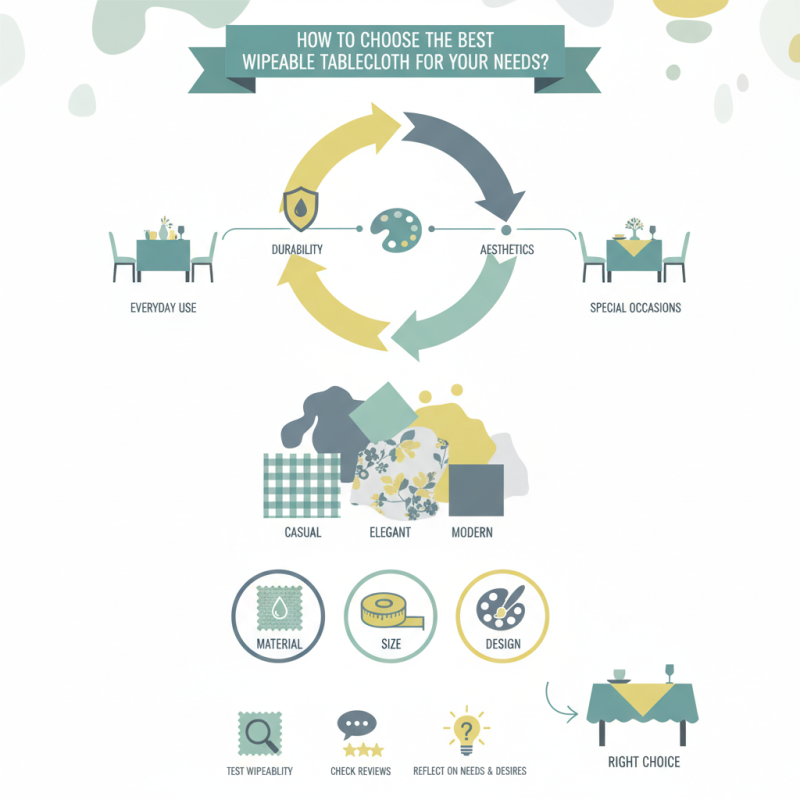
Factors like material, size, and design matter. A quality Wipeable Tablecloth should withstand spills and stains while complementing your style. Think about the purpose, whether it's for everyday use or special occasions. You might also need to reconsider your preferences. Perhaps you prioritize aesthetics over durability or vice versa.
In the world of tablecloths, not all wipeable options are created equal. Some might struggle against certain stains, while others may not fit your table perfectly. It’s essential to test the material's wipeability and check reviews before committing. Reflecting on your needs and desires is key to making the right choice.
Understanding the Different Materials Used for Wipeable Tablecloths
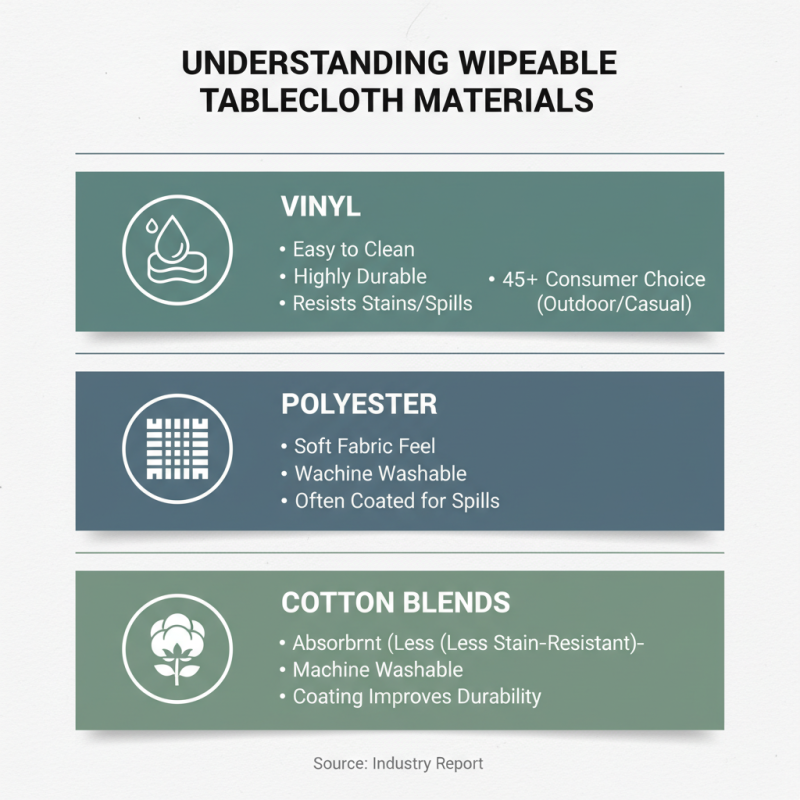
When selecting a wipeable tablecloth, understanding the materials is crucial. Many options are available, each with distinct features. Common materials include vinyl, polyester, and cotton blends. Vinyl tablecloths are popular for their ease of cleaning and durability. They can resist stains and spills effectively. According to a recent industry report, over 45% of consumers prefer vinyl for outdoor and casual dining.
Polyester tablecloths are another contender. They offer a softer texture and can mimic the feel of fabric. This material is resistant to wrinkles and fading, making it suitable for both indoor and outdoor use. Studies show that nearly 30% of buyers appreciate the aesthetic value of polyester while still wanting a low-maintenance option. However, they may require more effort to remove tough stains compared to vinyl.
Cotton blends provide a more traditional look but often come with limitations. While they can offer an attractive design, their stain resistance is usually inferior to synthetic options. Some users report frustration with stubborn marks that do not wash out easily. This highlights the importance of selecting the right material based on your lifestyle. The choice should reflect personal needs, taking into account factors like cleaning frequency and exposure to messes.
Evaluating Size and Fit for Your Table Settings
Choosing the right size for a wipeable tablecloth is crucial for both aesthetics and functionality. The tablecloth should cover the table completely for a polished look. Measure the length and width of your table, accounting for any overhang you desire. An overhang of 6 to 12 inches is typically recommended to ensure proper draping.
When selecting a tablecloth, consider the shape of your table. Round, square, and rectangular tables each require different measurements. If your table has a unique shape, finding the perfect fit can be challenging. Custom sizes may be necessary, and it's wise to consult a professional if needed.
Tips: Always verify the dimensions before purchasing. Even a slight miscalculation can lead to disappointment. Consider the table's usage as well. For outdoor settings, a snug fit may prevent wind from blowing the cloth away. Don’t be afraid to experiment with different styles, as a mismatched cloth can sometimes create a charming, casual vibe.
Considering Design and Aesthetic Preferences
Choosing the right wipeable tablecloth goes beyond functionality. Design and aesthetic preferences play a crucial role in your selection. According to a recent report from the Home Textiles Association, nearly 70% of consumers prioritize visual appeal when shopping for home goods. This statistic highlights the importance of aligning your tablecloth choice with your personal style and the overall decor of your space.
When considering designs, think about colors and patterns. Bright patterns can add energy to a dining room, while muted tones can create a more serene atmosphere. It's worth noting that trends shift. In 2023, neutral colors and minimalist patterns have surged in popularity. However, while these trends may appeal to many, they may not resonate with everyone. Some individuals find bold designs overwhelming. This discordance can lead to frustration as they attempt to harmonize their space’s aesthetics.
Additionally, the material should match your design vision. Many wipeable tablecloths come in vinyl or polyester blends, offering practical maintenance. However, these materials can sometimes lack the richness of natural fibers. This discrepancy can deter those who seek warmth and authenticity in their decor. Therefore, balancing aesthetics with practicality requires careful consideration. Finding that sweet spot can be challenging, but it’s a crucial part of creating a space that feels like home.
Choosing the Best Wipeable Tablecloth: Design and Aesthetic Preferences
Assessing Durability and Maintenance Requirements
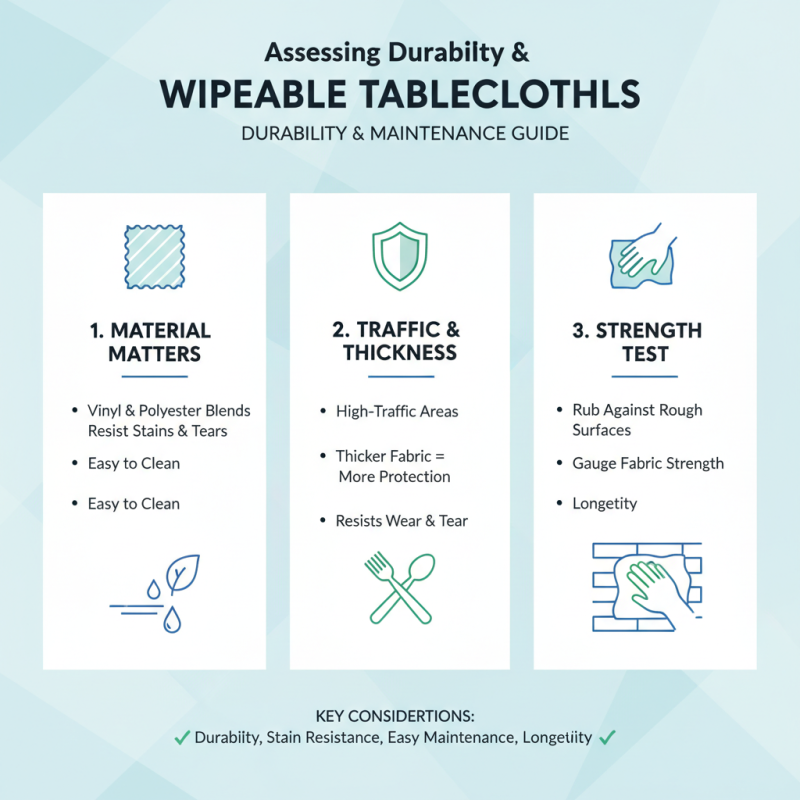
When selecting a wipeable tablecloth, durability should be a key consideration. Look for materials that resist stains and tears. Vinyl and polyester blends offer resilience while remaining easy to clean. For high-traffic areas, a thicker fabric can provide added protection against wear and tear. Test the fabric by rubbing it against rough surfaces to gauge its strength.
Maintenance requirements are equally important. Some tablecloths require special care, while others can be wiped down with a damp cloth. Consider your lifestyle when choosing a product. If you host frequently, opt for materials that can withstand repeated washing without losing their appearance. Avoid overly delicate fabrics, as they may become damaged over time.
Think about the ease of storage too. Foldable or rollable options may save space, yet they might crease easily. Not all fabric types maintain their appearance after folding. Reflect on your needs and choose wisely. Durability and simple maintenance create a balance that enhances your dining experience.
Comparing Price Points and Value for Money
When choosing a wipeable tablecloth, price is a critical factor. A recent market analysis shows that quality wipeable tablecloths can range from $10 to $50. Higher-priced options often use advanced materials that resist stains and offer better durability. However, basic options still provide adequate protection and are budget-friendly. This creates a dilemma: should you invest in more expensive varieties or stick to basic ones?
It's essential to consider long-term value. Studies indicate that consumers prefer products lasting several years over cheaper, less durable ones. For instance, a survey revealed that 72% of buyers would pay extra for higher durability. While initial costs may be higher, choosing a high-quality tablecloth can save money in the long run. Functionality and ease of maintenance also matter. Some tablecloths wash well without losing quality, while others can fade quickly or become brittle. Selecting wisely means evaluating both immediate costs and future value, aiming for a balance that meets individual needs.