How to Choose the Best Stall Shower Curtain for Your Bathroom?
Choosing the right Stall Shower Curtain can elevate your bathroom experience. It may seem simple, yet the options are overwhelming. Picking the best one requires careful consideration of various factors.
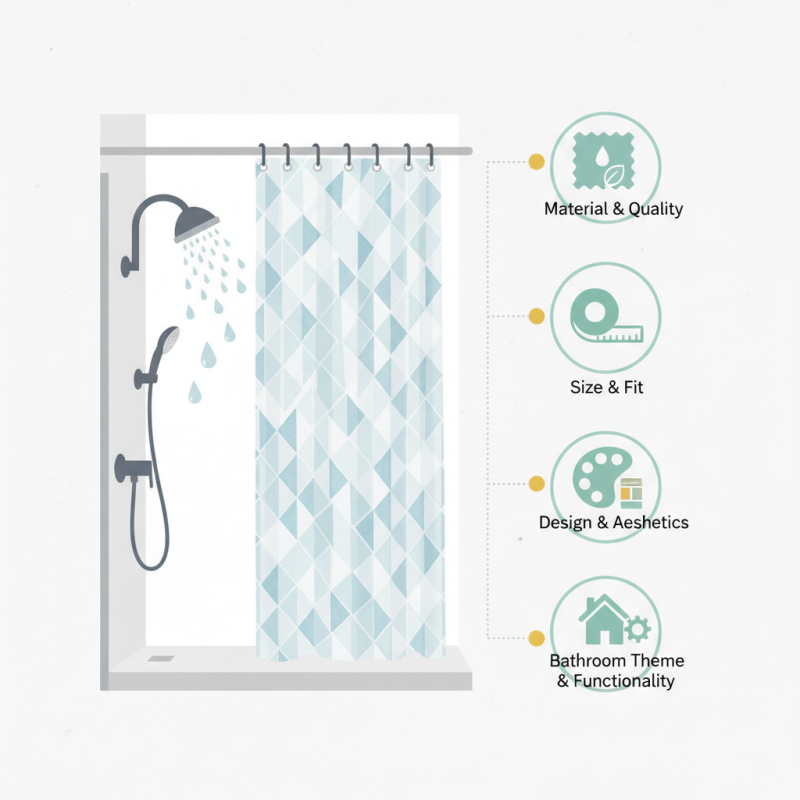
A Stall Shower Curtain serves multiple purposes. It keeps water inside the stall, enhances privacy, and adds style. However, not all curtains are created equal. Material, size, and design are crucial. This selection process can evoke frustration. You might find yourself torn between functionality and aesthetics.
Consider your bathroom's overall theme. A colorful curtain may not suit a minimalist design. Practicality should not be overlooked, either. Quality materials prevent mold and fading. Reflecting on your needs helps in making a better choice. Ultimately, selecting a Stall Shower Curtain is more than just a purchase; it is an investment in your daily routine.
Factors to Consider When Choosing a Stall Shower Curtain
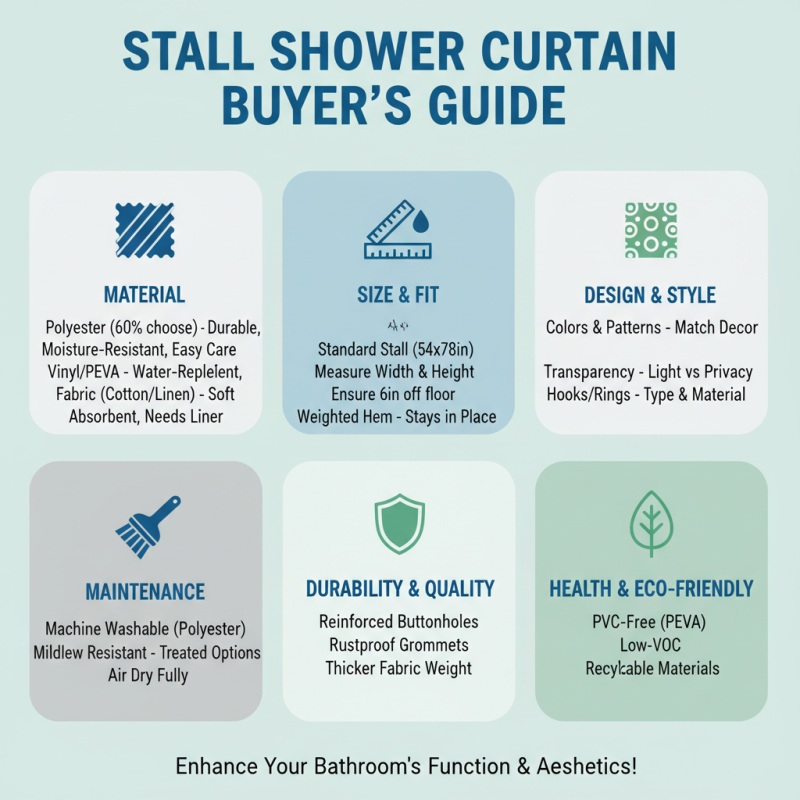
Choosing the right stall shower curtain can enhance your bathroom's functionality and aesthetics. Several factors play a crucial role in this decision. Material is a key consideration. Polyester is popular due to its durability and moisture resistance. According to industry reports, over 60% of consumers prefer polyester for its easy maintenance.
Size matters too. Ensure your curtain fits the stall perfectly to prevent water leakage. Most stalls require a width of 54 inches, though some may differ. Measure your stall carefully before purchasing to avoid disappointment.
When selecting a design, consider your bathroom's color scheme. Patterns can add personality, but simple designs might appeal to those preferring a minimalist approach. Research indicates that neutral colors often lead to a calmer atmosphere, making them a wise choice for many.
Tips: Remember to choose a curtain that is easy to clean. Most curtains can be machine-washed. Look for water-repellent options that will reduce soap scum and mildew. You might also reflect on the environmental impact of your choice. Opt for eco-friendly materials if possible.
Types of Materials for Shower Curtains: Pros and Cons
Choosing the right material for your stall shower curtain is crucial. Various materials come with their unique advantages and disadvantages.
Vinyl is a popular choice due to its waterproof nature and affordability. It’s easy to clean and maintain, making it practical for busy bathrooms. However, vinyl can emit harmful chemicals. It may not be the best option for those sensitive to odors.
Cotton offers a softer feel and is often used for its aesthetic appeal. It is naturally breathable and can absorb moisture, reducing mold growth. However, cotton may require more frequent washing to keep it fresh. It can also become heavy when wet.
Ultimately, the decision largely depends on your specific needs and preferences. Consider factors such as maintenance, aesthetic requirements, and how sensitive you are to materials. Each option prompts careful consideration of its downsides as well.
Types of Shower Curtain Materials: Pros and Cons
Sizing Your Stall Shower Curtain for a Perfect Fit
When it comes to stall shower curtains, sizing is critical for a snug fit. Measure the height and width of your shower stall. This ensures that water stays in and your bathroom stays dry. Typical stall showers are around 60 to 72 inches high. However, sizes may vary. Keep in mind this crucial step before making a purchase.
Tips: Always add extra inches to your measurements. This allows for the fabric to gather and prevents gaps. Consider the curtain rod height too. If it’s too low, the curtain may drag on the floor, creating a mess.
Also, evaluate the fabric type. Vinyl curtains may require less maintenance but lack aesthetic appeal. Fabric options offer a variety of designs but can become damp. Choosing the right material is as important as the size. Reflect on personal preferences and usage habits. A thoughtful choice today can improve functionality and beauty in your bathroom tomorrow.
How to Choose the Best Stall Shower Curtain for Your Bathroom? - Sizing Your Stall Shower Curtain for a Perfect Fit
| Dimension |
Standard Size (inches) |
Recommended Fabric |
Water Resistance |
| Small Stall |
30 x 60 |
Polyester |
Yes |
| Medium Stall |
36 x 72 |
Vinyl |
Yes |
| Large Stall |
48 x 72 |
Cotton Blend |
No |
| Extra Large Stall |
60 x 78 |
Microfiber |
Yes |
Design and Aesthetic Options for Shower Curtains
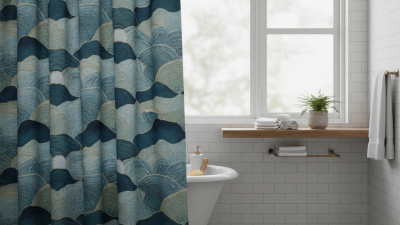
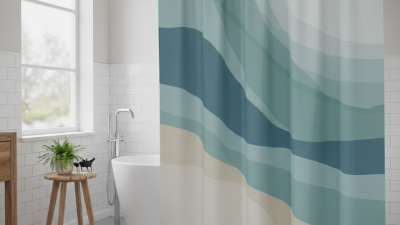
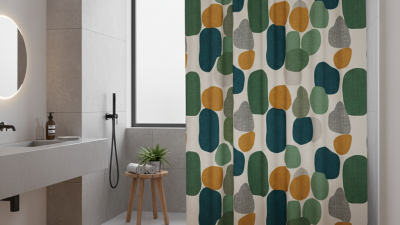
Choosing the right shower curtain can significantly enhance your bathroom's design. Consider the materials used. Fabric curtains offer warmth and texture, while vinyl options are easier to clean. Both have their charm, but the aesthetic impact is different. A patterned fabric curtain can bring a vibrant look, while solid colors impart a more modern feel.
When selecting designs, think about the overall theme of your bathroom. A coastal theme may benefit from light, airy patterns and pastel colors. Conversely, a minimalist bathroom could use monochrome or geometric designs. Don’t shy away from bold prints—these can serve as statement pieces. Reflect on how the curtain's design resonates with your personal style.
Lighting also plays a vital role. A well-placed light can highlight the curtain’s colors and textures. Test different curtains under your bathroom's lighting to gauge their impact. Imperfections in patterns can add character. Embrace variations; they often tell a story. Ultimately, your choice should harmonize with your bathroom's ambiance and your own aesthetic preferences.
Maintenance Tips for Long-Lasting Shower Curtains
Maintaining a shower curtain can significantly enhance its longevity. A study published in the Journal of Environmental Health highlighted that nearly 70% of households face mold growth in bathrooms, making regular maintenance essential. Choosing materials such as polyester or vinyl can reduce mold accumulation due to their water-resistant properties.
To keep your shower curtain clean, regular washing is vital. A gentle cycle with mild detergent each month can prevent mildew buildup. The CDC recommends using 1 cup of vinegar in the wash to help eliminate bacteria. If possible, hang the curtain to dry in a well-ventilated area. This simple practice can extend the life of the material.
Storing the curtain properly is often overlooked. After showering, ensure the curtain is fully extended to dry. Avoid folding it back in on itself wet, which can create a damp environment for mold. Experts suggest keeping bathroom humidity levels below 50% to inhibit mold growth, but this can be difficult in some homes. Monitoring humidity and making adjustments like using dehumidifiers can be beneficial.